Elevating nature-positive start-ups with Givaudan expertise
The Givaudan Foundation has partnered with I4N, a Foundation whose mission is to accelerate nature-positive start-ups in collaboration with strategic partners to transition toward a regenerative economy. Our partnership with I4N aims to provide financial support to promising ventures while connecting them with skilled professionals from Givaudan for beneficial mentoring.
Being nature-positive means adopting an approach that not only restores and regenerates ecosystems but also actively minimizes harm to the environment. This philosophy is exemplified by innovative projects such as Guaro Farms in Ethiopia, which places micro-factories at the farmgate to reduce post-harvest losses, ensure product quality, and empower local communities. Similarly, Coral Bioworks in Chile is biorefining regeneratively farmed seaweed into sustainable, traceable, and cost-efficient industrial feedstocks for manufacturing companies.
Currently 8 Givaudan volunteers are leveraging their expertise to entrepreneurs in business and sustainability strategy development, measurement and reporting, as well as support in sales, marketing, and procurement. By nurturing these innovative companies, we hope to drive meaningful change, promoting practices that benefit both the environment and local communities.
Learn more about I4N’s impact: here
Hear from one of our colleagues who is mentoring in the program:
Could you share some insights about the startup you are currently mentoring?
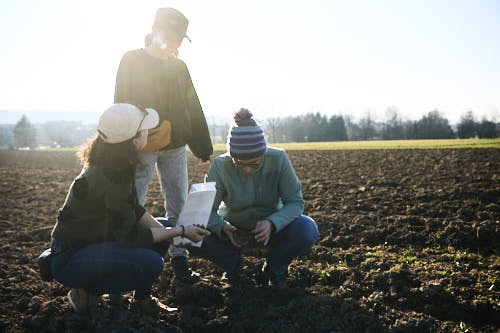
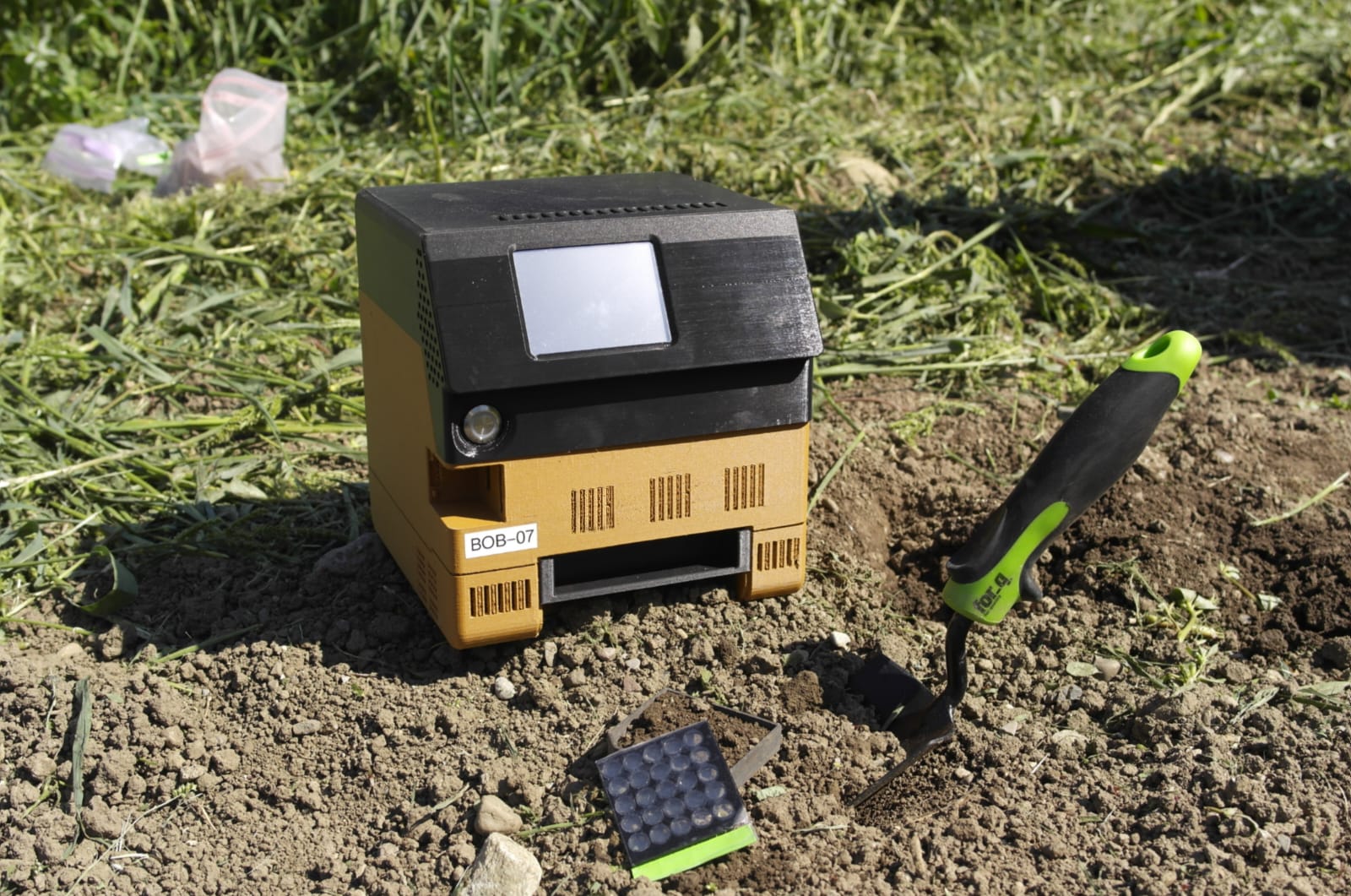
For the I4N mentoring, I was matched with a start-up called Digit Soil, a spin-off from ETH Zurich (polytechnic university in Switzerland). Digit Soil's mission is to make sustainable farming an attractive choice worldwide. They are doing this by tackling the inefficiencies of fertilizer, including farm manure, organic and synthetic fertilizer, which has become a crisis in financial waste and environmental degradation. Led by a team of female founders, Digit Soil has developed a practical farm-based device for testing enzymatic activity to derive the soil nutrients mineralization potential.
The device could help farmers reduce costs, enhance crop yields, and mitigate harmful environmental impacts.
What specific needs of the startup are you addressing through your mentorship?
During the matching process, Digit Soil's team indicated a need for advice about how to structure and pitch a pilot to test their device with farmers in various locations and for a range of crops. The target audience being companies or organisations that work with farmers. The Digit Soil team has deep scientific expertise, but they do not have very much experience engaging with larger corporates or sustainability programmes in order to test the practicality of their solution. As they are precisely trying to adapt a scientific research method to bring it to scale for practical farm-level use, they need to develop new ways to present the needs, the Digit Soil solution, and the expected benefits to different types of users.
How has your experience with the mentoring process been?
For my mentoring session with the Digit Soil founder, I first reviewed two example pilot projects they had drafted for different audiences. During our session I shared questions I had about the pilots and advised on further questions they may want to clarify when pitching to corporates or international sustainability programmes. I advised on distinguishing KPIs, highlighting different priorities for climate change mitigation versus individual farmers. They should consider the device's impact in large versus smallholder farming and for different crop types. I also shared organizations in international sustainable agriculture for additional resources. We had a productive discussion and have decided to reconnect in about a month.
It was a rewarding experience to make the connection with Digit Soil and their founder. I am pleased if I can play a very small role in the success of a new company bringing a nature-positive solution to the agriculture sector.