Nigeria: Supporting inclusion and livelihoods for visually impaired communities
Expanding access to education, skills, and income opportunities
In Nigeria, people living with visual impairment often face barriers in accessing education and employment opportunities. Supporting both learning and skills development is essential to promote inclusion and strengthen long-term livelihoods.
Since 2019, we have worked in partnership with a local organisation specialised in delivering social programmes for visually impaired communities. Together, we have supported a series of initiatives aimed at improving access to education and creating income-generating opportunities.
Improving access to education through Braille resources (2019–2020)
Access to adapted educational materials is a key challenge for visually impaired students, particularly in mainstream schools where accessible resources can be limited.
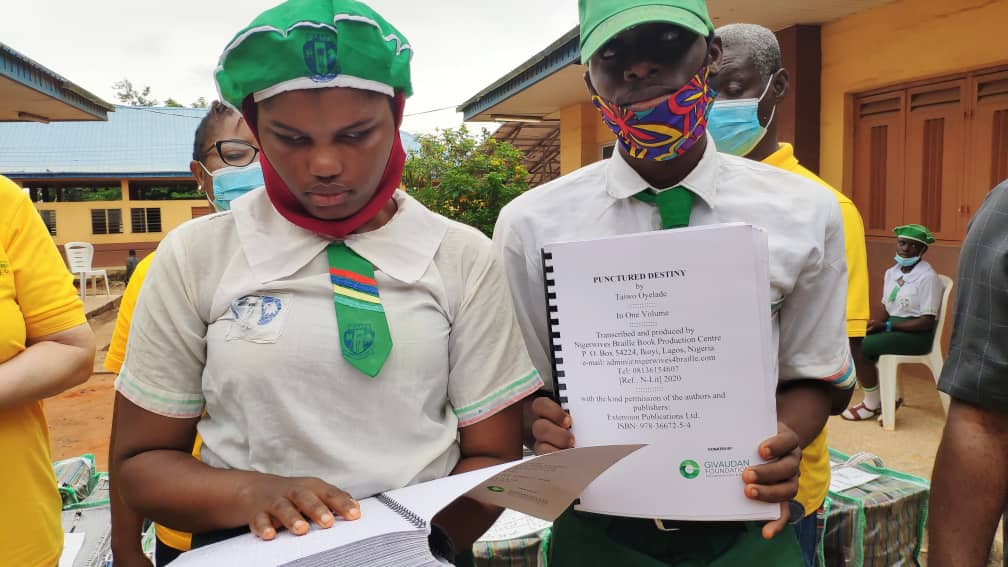
To address this gap, we supported the acquisition of two Braille embossers, strengthening the partner organisation’s capacity to produce educational materials independently. These machines have enabled the production of academic Braille textbooks covering subjects such as mathematics, literature, economics, and biology.
The books were distributed to secondary school students, helping them better follow their curriculum. Over time, more than 400 Braille books have been produced and continue to be reused annually, benefiting new learners each year.
The support provided opened new horizons for our association. The two new embossers purchased, as well as the Braille books produced for blind students, will positively impact the life of blind and visually impaired in Nigeria far beyond the project lifecycle.
Edwige, Nigerwives Braille Book Production Centre representative
Developing income opportunities through fragrance training (2020–2024)
Building on this initial project, our support expanded to focus on professional integration and income generation.
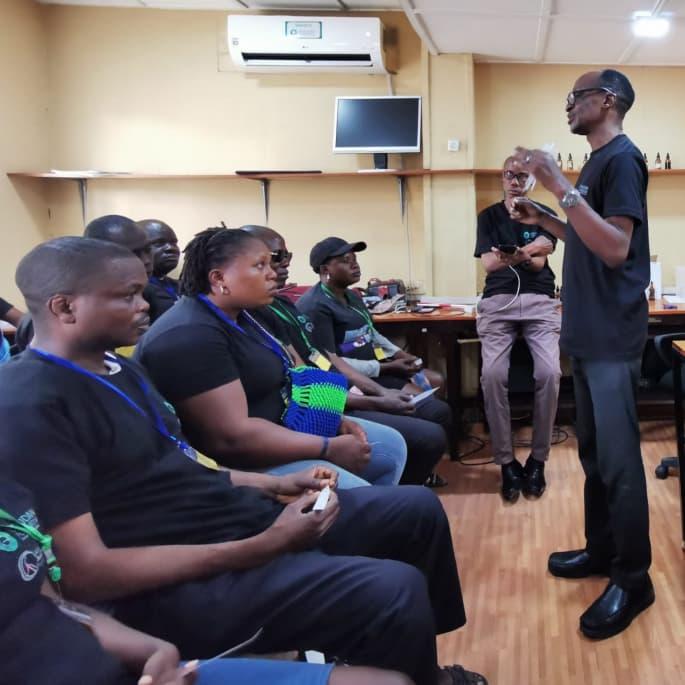
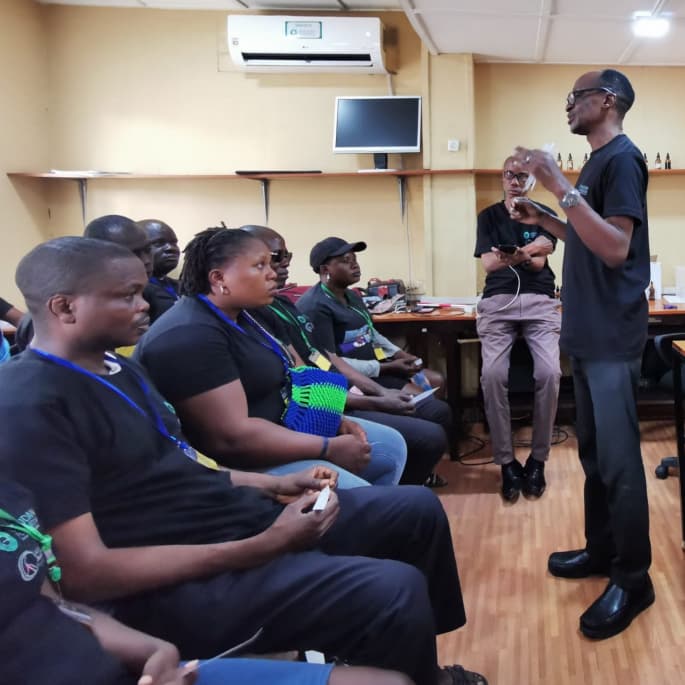
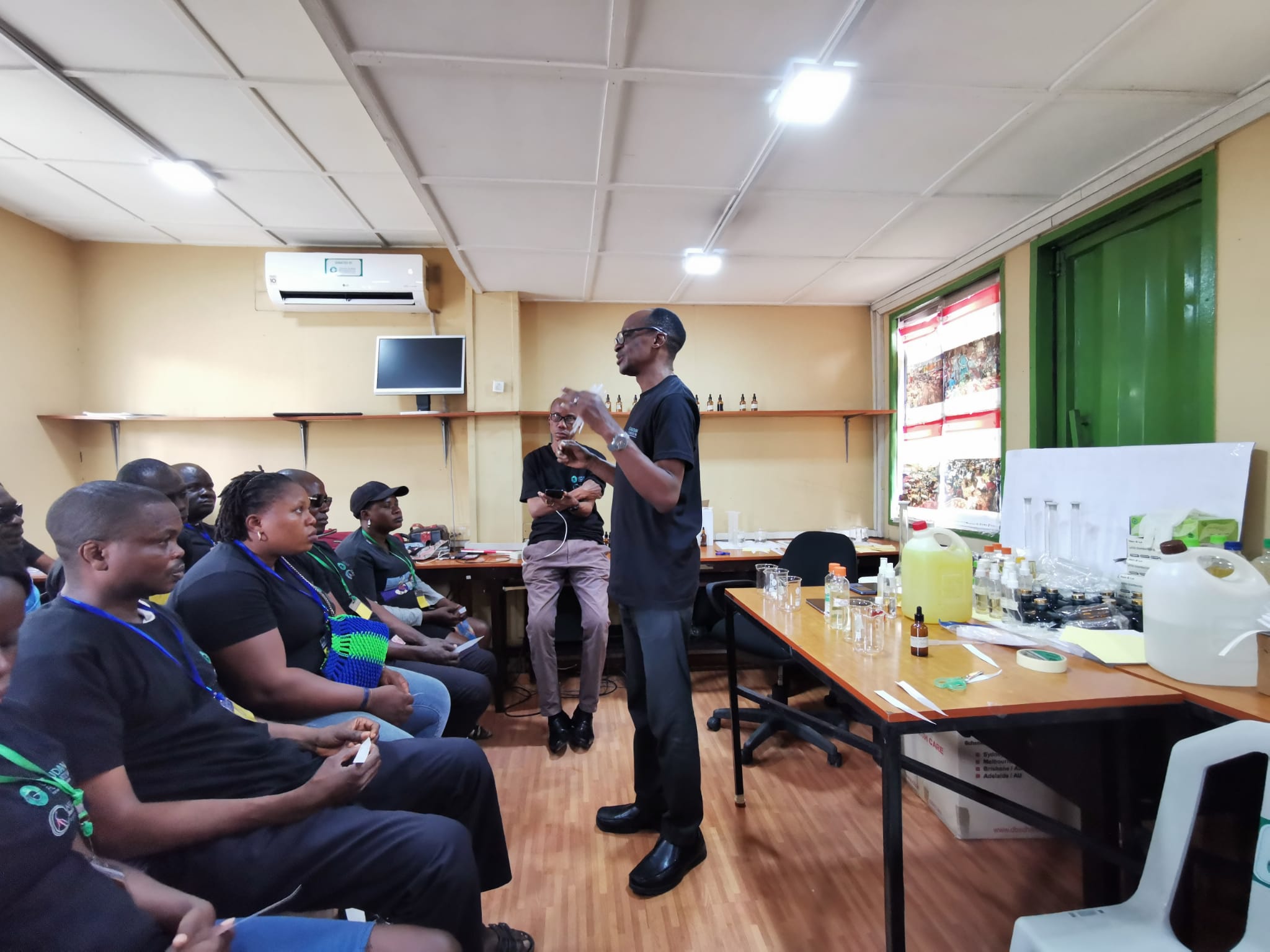
Participants were introduced to the essentials of fragrance creation, including raw materials, basic blending techniques, and the production of fragranced consumer goods such as soaps and body products. They also received training in business skills, including sales and marketing. At the end of the programme, participants were provided with starter kits to help them continue developing their activities independently. A total of 52 participants completed the programme, with more than half generating a complementary source of income through the sale of their products.
Throughout the initiative, Givaudan volunteers played an active role by providing fragrances and practical expertise, delivering sessions on sales and marketing, and supporting participants in accessing short-term internship opportunities.
Expanding skills and employment through catering training (since 2026)
Since 2026, our support has explored new pathways to employment through catering and culinary training.
Catering represents a strong economic opportunity in Nigeria, driven by high demand for prepared food across both daily life and social events. This ongoing programme aims to equip visually impaired individuals with practical skills to enter this sector and generate income.
In parallel, secondary school students studying catering are benefiting from hands-on workshops designed to complement their classroom learning. These sessions provide practical experience, enabling students to strengthen their skills and better prepare for future career opportunities.