Comoros islands: Empowering ylang pickers and preserving natural resources
Supporting communities through natural resource preservation, education, and livelihood initiatives
In the Comoros Islands, ylang-ylang is an important natural ingredient and a key source of income for local communities. At the same time, environmental pressures and socio-economic challenges can affect both livelihoods and the ecosystems on which they depend.
Since 2015, we have supported a range of initiatives aimed at improving natural resource management while strengthening education and economic opportunities for local communities.
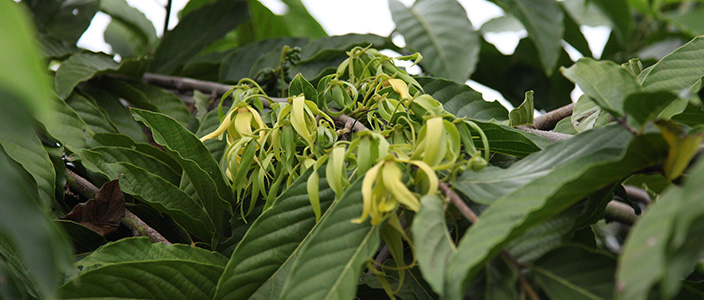
Preserving natural resources and biodiversity
On the island of Mohéli, wood remains a widely used source of energy, particularly for ylang-ylang distillation. Over time, this reliance can contribute to pressure on local forests in a region known for its rich biodiversity.
To help address this, we have supported the installation of energy-efficient distillation stills, which can reduce wood consumption by up to 50%.
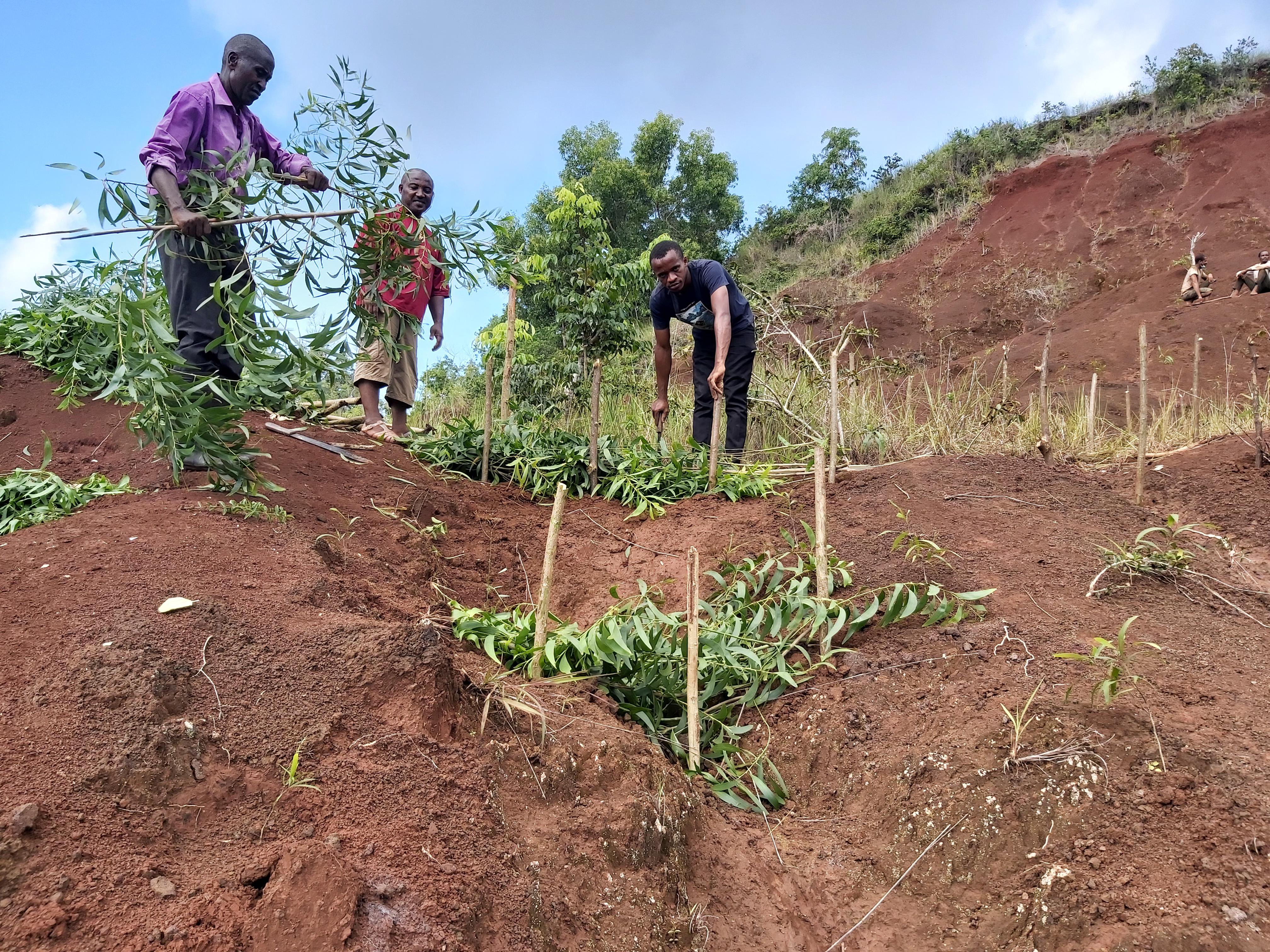
In parallel, reforestation activities have been carried out in collaboration with local communities and the Mohéli National Park. These include planting trees along riverbanks to help prevent erosion, restoring degraded land near distillation site and planting trees along roads to provide shade and improve local environments.
Empowering women through literacy and entrepreneurship
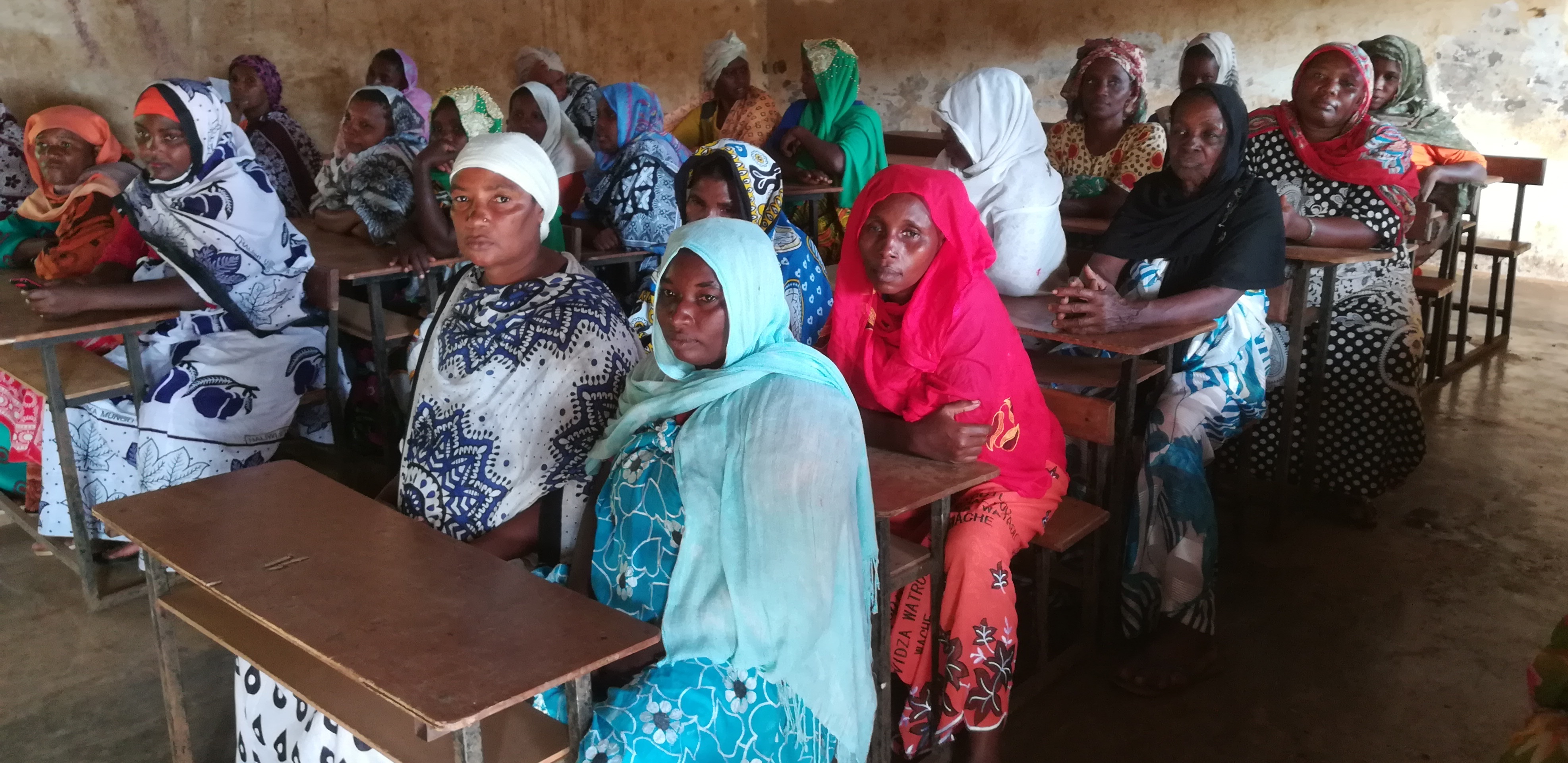
Women play a central role in the ylang-ylang supply chain, particularly in flower picking. However, opportunities to diversify income can sometimes be limited, partly due to low literacy levels. To support this, a literacy and empowerment project was introduced, enabling women to develop basic reading, writing, and numeracy skills through regular classes. Building on these foundations, participants were supported in developing small-scale entrepreneurial activities, such as local businesses or cooperative initiatives.
Promoting environmental education and access to learning
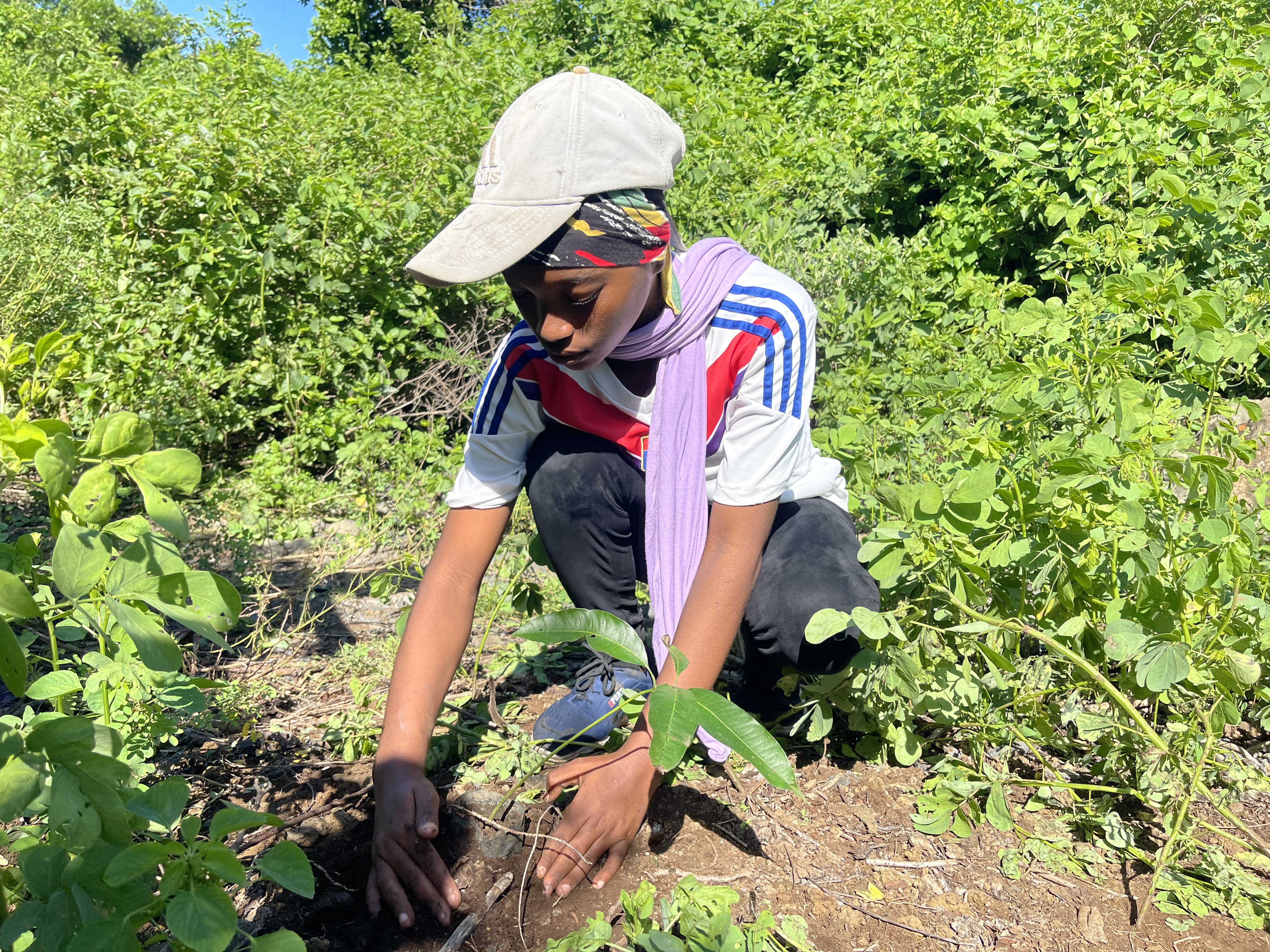
Raising awareness from an early age can contribute to the long-term preservation of natural resources. However, teachers do not always have access to the tools and training needed to teach environmental topics effectively. To support this, educational materials and teacher training have been developed, helping schools integrate environmental topics in a more practical and engaging way. Students were also involved in school-based activities, including participation in reforestation efforts.
Improving access to quality education
Since 2025 and building on earlier initiatives, more recent efforts focus on improving school infrastructure and access to education across several islands. The project supports the rehabilitation of schools and the improvement of learning environments.