France: Partnerships for sustainable lavender farming
Developing sustainable solutions for the future of lavender and lavandin
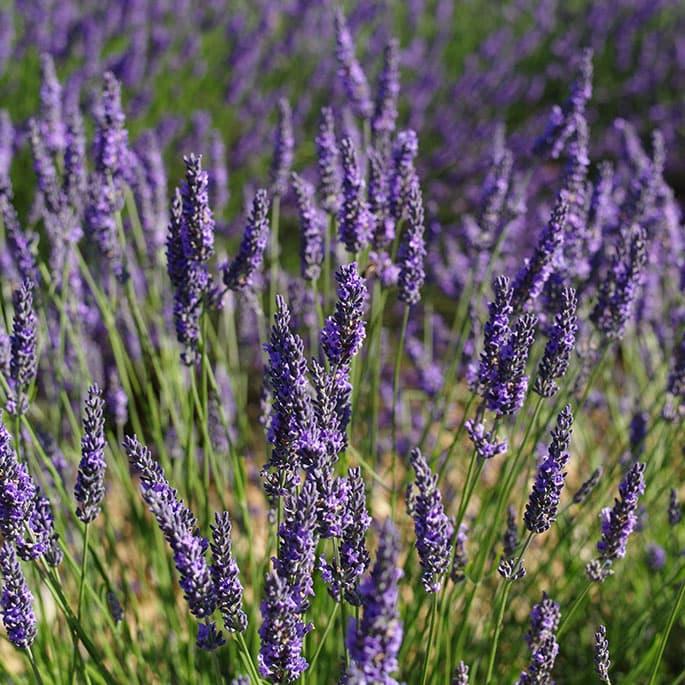
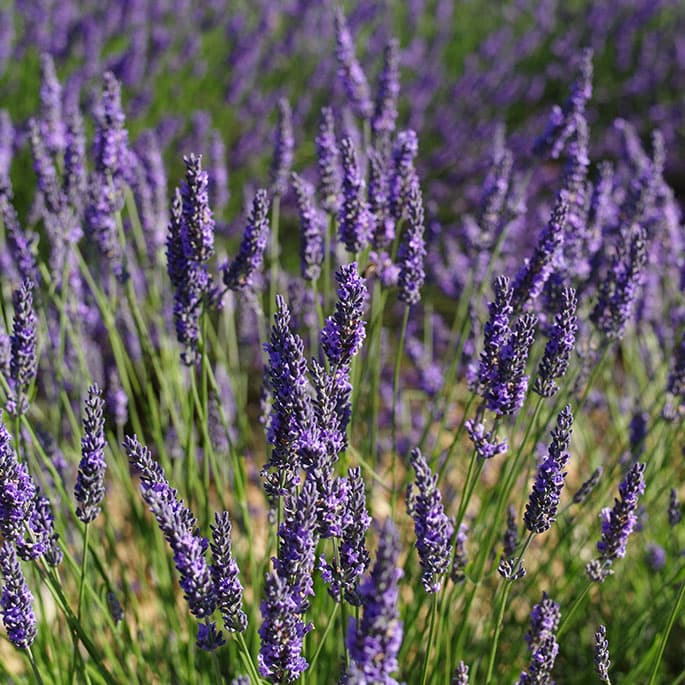
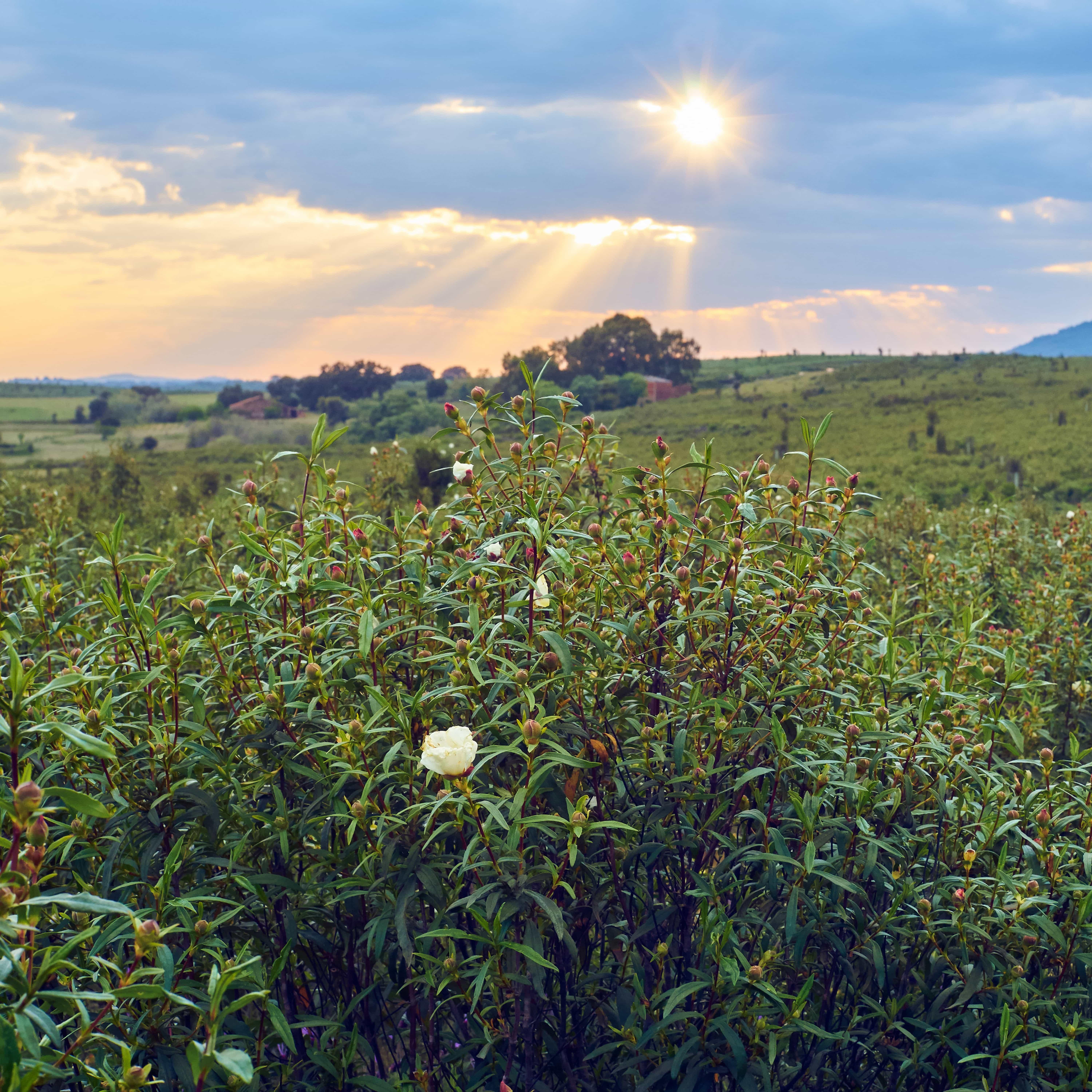
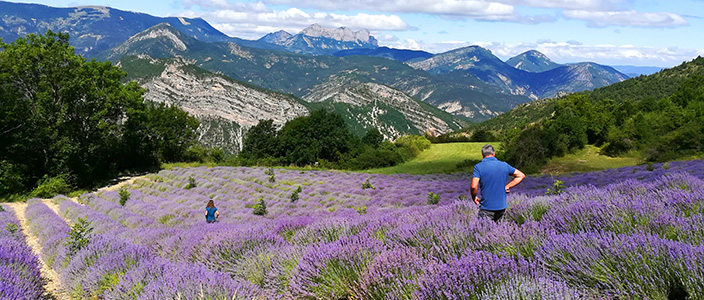
Lavender and lavandin cultivation has been a traditional activity in south-east France for several centuries and forms part of the iconic landscapes of the Provence region. However, this emblematic crop is increasingly threatened by diseases, pests, and the effects of climate change.
Addressing lavender pests and diseases
Cecidomyia (a type of midge) is one of the main pests affecting lavender and lavandin. Its larvae feed on plant sap, causing the gradual drying of affected branches. Over time, this cumulative damage significantly reduces both productivity and the lifespan of the plants. The phytosanitary products currently used to control cecidomyia are increasingly being challenged, creating a need for alternative, more sustainable and nature-based solutions.
Adapting to climate change
More frequent periods of drought, driven by climate change, present another major challenge for lavender and lavandin producers. These changing conditions are putting additional pressure on an already vulnerable crop. For several years, we have supported associations and research institutes specialised in aromatic, fragrant, and medicinal plants in developing innovative solutions tailored to these evolving environmental conditions.
Our work focuses on supporting the development of a combination of nature-based approaches to strengthen the resilience of lavender and lavandin production. These solutions aim to reduce reliance on chemical inputs while improving environmental outcomes and long-term sustainability for producers.
We invite you to watch this InTent documentary produced in collaboration with the Givaudan Foundation, exploring the small yet fascinating world of lavender, an emblematic fragrance ingredient of the cosmetic industry.